Liszt - Zwei sinfonische Dichtungen
Themen
Details
Franz Liszt (1811 - 1886) composed 13 symphonic poems, largely inspired by literary texts. The composer himself wrote piano duet arrangements for these pieces, showcasing his incredible ability of imitating a full orchestra on the piano. Liszt, one of the 19th century‘s most important piano virtuosos, strongly influenced the further development of piano music. The Romantic period was the era of the virtuoso pianists: the piano was the instrument of choice for countless musicians and listeners alike. No house of standing could do without a piano: it was a status symbol. Piano music was played in concert halls, palaces, salons, churches and public houses alike. Liszt‘s symphonic poem no. 4, ‘Orpheus‘, breathes a meditative atmosphere. No. 3, ‘Les Préludes‘, is best known in its symphonic version - the piano version presented here is rarely heard. The work dates back to the period 1848 - 1854 and was initially meant to serve as introduction to a choral cycle to be based on the texts of the poet Joseph Autran, ‘Les quatre éléments‘: earth, air, water and fire. In this broadcast, the Italian piano duo of Marco Sollini and Salvatore Barbatano performs these Liszt piano works. These recordings were made at the beautiful 12th century church of San Marco in the small but picturesque village of Ponzano di Fermo, as part of the 2015 edition of the annual, itinerant festival ‘Armonie della sera‘ in the Italian province of Le Marche.
Hinweis
1 weiterer Sendetermin
| Sender | Datum | Uhrzeit | ||
|---|---|---|---|---|
| Classica | Mi 11.2. | 09:11 | Liszt - Zwei sinfonische Dichtungen | Sendung zum Merkzettel hinzufügen |
Top-Spielfilm am 30.01.
Spielfilm
3sat3sat
22:25
22:25:3sat One Life - Wer ein Leben rettet, rettet die ganze Welt
Großbritannien 2023
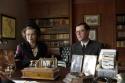
Prag 1938: Der Londoner Börsenmakler Nicky Winton wird mit dem Elend der Flüchtlinge konfrontiert. Nicky handelt. Eine Liste soll jüdischen Kindern die Flucht nach England ermöglichen.
Die unglaubliche, aber wahre Geschichte eines Lebens, das einen Unterschied machte. Nicholas Winton rettete de facto 669 Kinder vor dem sicheren Tod im Lager.
Der Mann, der sich selbst als einen Europäer,...
One Life - Wer ein Leben rettet, rettet die ganze Welt
One Life - Wer ein Leben rettet, rettet die ganze Welt
20:15

03:45

02:15
00:20

00:30

00:25

22:15

- in Kalender eintragen
in Kalender eintragen
-
Sendung eintragen in:
Kalender
Google Kalender
-
-
Sendung hinzufügen
zum Merkzettel hinzufügen
-
+ Sendung als TV-Agent einrichten
als TV-Agent einrichten
-
Freunde per Email informieren
per Email informieren
-
in Website einbetten
- 1 weiterer Sendetermin
weitere Sendetermine
TVinfo
X